
Introduction: The Problem Isn’t Steam—It’s What Comes With It
Let’s get straight to it—steam systems are everywhere in industry, but they come with a hidden challenge: condensate.
When steam cools, it turns into liquid. That liquid, if unmanaged, can damage instruments, distort readings, and reduce system efficiency.
That’s exactly where condensate pots come in. A reliable distributor and exporter ensures these components protect systems, maintain accuracy, and improve overall performance in high-temperature environments.
What Is a Condensate Pot?
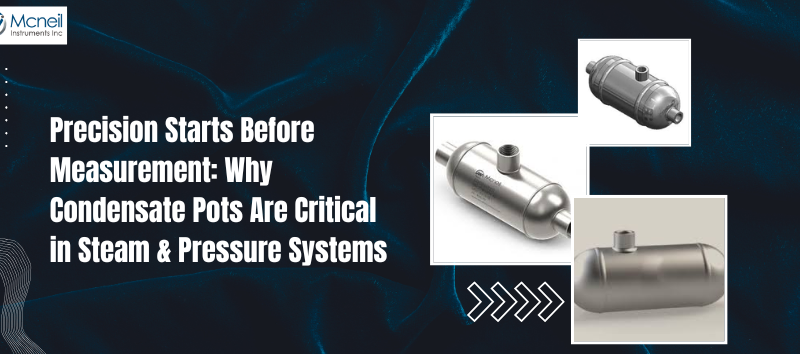
A condensate pot is a specialized device used to collect and manage condensate (liquid formed from steam or vapor) in industrial pipelines.
It acts as a protective barrier between high-temperature steam and sensitive instruments like pressure transmitters and gauges.
Core Function
• Collects condensate from steam lines
• Prevents direct contact of steam with instruments
• Maintains stable pressure conditions
• Improves measurement accuracy
Condensate pots are widely used to ensure that only the correct phase (liquid or gas) reaches instrumentation systems.
Why Condensate Pots Are Essential
Here’s the real issue—steam systems without proper condensate management face:
• Measurement errors
• Instrument damage
• Pressure instability
• Increased maintenance
Condensate pots solve these problems by creating a liquid seal, which prevents steam from interfering with measurement devices.
This is why industries depend on trusted distributors and exporters for high-quality condensate pots.
How a Condensate Pot Works
Working Principle
• Steam enters the pipeline and cools
• Condensate forms and collects inside the pot
• A liquid seal is created at the bottom
• This seal blocks steam from reaching instruments
• Condensate is drained periodically
This ensures accurate pressure measurement and protects sensitive equipment from heat damage.
Technical Specifications Table
| Parameter | Specification |
| Product Type | Condensate Pot / Seal Pot |
| Material Options | Carbon Steel / Stainless Steel / Alloy Steel |
| Size Range | 2″ to 6″ (custom available) |
| Pressure Rating | Up to 6000 PSI |
| Connection Type | Threaded / Flanged / Socket Weld |
| Orientation | Vertical / Horizontal |
| Drain Type | Manual / Automatic |
Leading distributors and exporters ensure these products meet industrial standards and performance requirements.
Key Components of a Condensate Pot
| Component | Function |
| Body | Holds condensate |
| Inlet Connection | Receives steam |
| Outlet Connection | Connects to instrumentation |
| Drain Valve | Removes collected condensate |
| Mounting System | Supports installation |
Each component is designed to ensure durability and efficiency in high-pressure environments.
Types of Condensate Pots
Different applications require different configurations:
Standard Condensate Pot
• Used in general steam systems
Seal Pot
• Provides barrier for corrosive or viscous fluids
High-Pressure Condensate Pot
• Designed for extreme pressure systems
A reliable distributor and exporter ensures availability for all industrial requirements.
Performance Comparison Table
| Feature | With Condensate Pot | Without Condensate Pot |
| Measurement Accuracy | High | Low |
| Equipment Protection | Strong | Weak |
| Maintenance | Low | High |
| System Stability | Stable | Unstable |
This clearly shows why condensate pots are essential in steam systems.
Industrial Applications
Condensate pots are widely used in industries where steam and high-temperature fluids are involved:
Oil & Gas Industry
Protects pressure transmitters in pipelines
Power Plants
Used in steam flow measurement systems
Chemical Processing
Handles high-temperature fluids
Petrochemical Plants
Ensures accurate pressure readings
Pharmaceutical Industry
Maintains controlled process conditions
These industries rely on consistent supply from trusted distributors and exporters.
Manufacturing Process
Top distributors and exporters supply condensate pots built through strict processes:
Process Flow
• Raw material selection
• Fabrication and welding
• Machining and finishing
• Surface treatment
• Inspection and testing
This ensures durability, precision, and long service life.
Key Advantages of Condensate Pots
Accurate Measurement
Ensures reliable pressure readings
Equipment Protection
Prevents damage from steam exposure
Improved System Efficiency
Reduces operational errors
Durability
Designed for high-pressure environments
Low Maintenance
Simple and effective design
These benefits make them a preferred choice from leading distributors and exporters.
Quality Testing and Assurance
To ensure performance, condensate pots undergo strict testing:
• Pressure testing
• Leak testing
• Material verification
• Dimensional inspection
• Functional testing
A trusted distributor and exporter ensures every unit meets industrial standards.
Conclusion
Condensate pots may seem like small components, but they play a critical role in ensuring accurate measurement, equipment protection, and system efficiency.
In industries where steam and pressure systems are essential, working with a reliable distributor and exporter ensures consistent quality, performance, and long-term reliability.
If your system requires precision, durability, and protection from high-temperature fluids, choosing the right condensate pot distributor and exporter is what keeps your operations running smoothly.